Kyoto To Tokyo
Ancient tradition and advanced technology. Sunshine and semiconductors. Visiting Japan offers a spectrum of experience, simultaneously simple yet complex. Join us as we visit historic Kyoto, backpack the Nakasendo trail and explore the extraordinary city of Tokyo.
Kyoto is famous for its preservation of historic culture, but it is also a modern metropolis approaching 4 million people. It is often portrayed as a small city (and relative to the Tokyo metropolitan area at 35 million people it is), but check expectations around rural charm. That said, Kyoto is filled with pockets of peace that are carefully crafted and curated. They are all in high demand by both tourists and locals with infrastructure that can sometimes struggle to keep up. Breathing room at public attractions like the Senbon Torii require that you either show up very early (or late) to avoid shoulder-bumping crowds. Limited or private events should be booked weeks or even months in advance.

There are a number of businesses in Kyoto that will dress tourists in traditional Japanese kimono. When worn as a form of cultural appreciation this practice is seen as a positive by most Japanese, including everyone we personally asked about the practice. Maikoya is a company that has beautiful properties in historic districts like Gion where you can be dressed by a team of experts and take part in a traditional tea ceremony. This is a great way to immerse yourself, learn, and create wonderful memories.
Maikoya Kimono Tea Ceremony (External Link)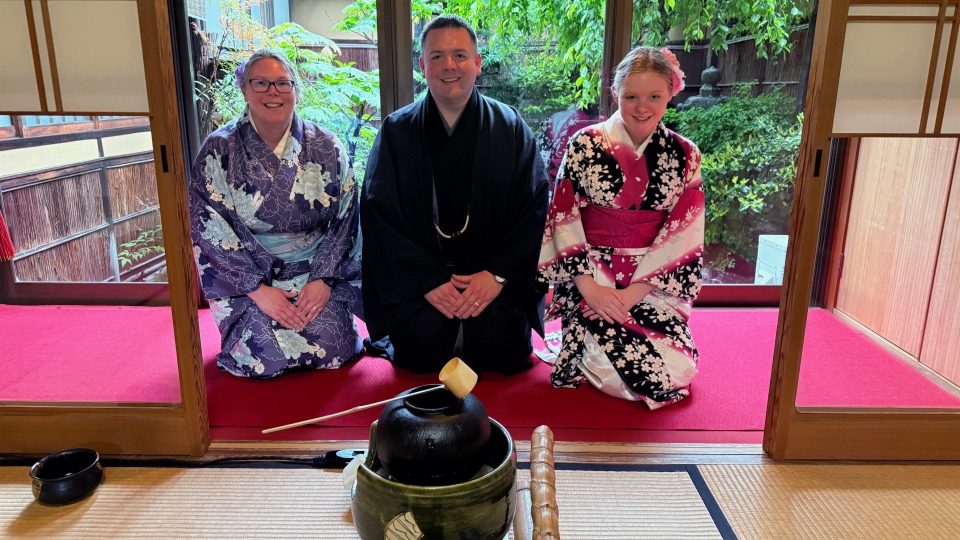
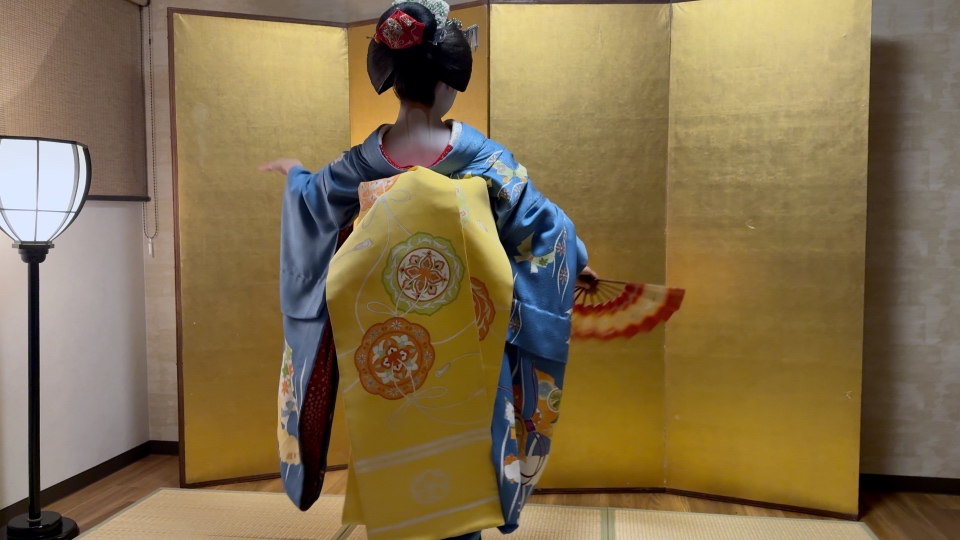
Gion is the most famous entertainment district in Kyoto with ochaya (tea houses) and okiya (boarding houses). There are schools for learning traditional arts, and amazing restaurants serving traditional Japanese foods. In Kyoto, Geisha refer to themselves as Geiko. It takes years of training to become a Geiko during which time students are referred to as Maiko. Western imagery of Geisha with bright kimono designs and elaborate hair decoration are actually Maiko. Geisha entertain through performance, games and conversation. While the first can be experienced at large public events, the latter require private bookings. The expensive and exclusive option is booking through an ochaya, but this is typically invitation only. There are services that combine private guided tours of Gion with dinner at a local restaurant and a visit from a Maiko. We went with this approach, but were still turned away twice before finally receiving confirmation. Not to be missed if you can make it happen.
Kyoto is also home to the official Nintendo Museum. There is very high demand, and Nintendo uses a lottery system for fairness with identity verification to control scalping. We entered the lottery and were fortunate to be drawn. The ticket prices are around $15 for kids and $20 for adults. The Museum is two floors with the lower level being interactive activities and the upper housing exhibits. No photography is allowed on the upper floor. Each visitor is given 10 digital coins on their ID card that can be used for the interactive activities. There are more activities than coins forcing you to choose wisely and limiting visitors from monopolizing certain experiences. The majority of people under 18 can be found on the first floor, while older generations quietly absorb the amazing exhibits upstairs.
Nintendo Museum (External Link)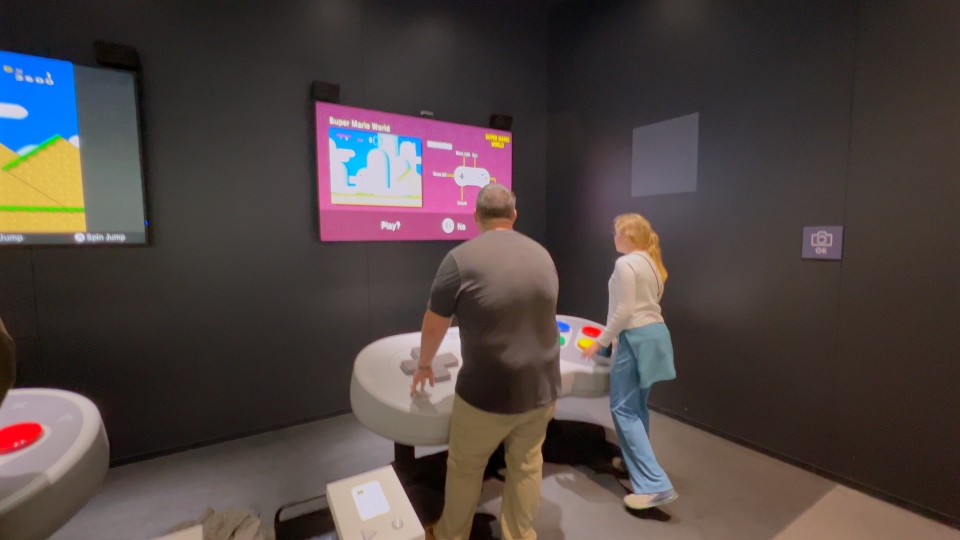
The Nintendo Museum has a cafe called Hatena Burger that seemed slammed with visitors and does not accept reservations. While costs are reasonable, the menu is very limited and fast-food like. Much better options are within walking distance of the museum such as Mimaki, about 15 minutes to the West. Blending Japanese and French cuisines, Mimaki is quite small with only 18 seats. Reservations are accepted via Tabelog, and they had no issues with our party of seven. For larger groups, you will need to select set courses when reserving. Quality was high, ambiance was wonderful, and we each enjoyed 5 appetizers, salad w/duck, fish dish, Wagyu beef dish, dessert, and a couple beverages for around $40 each (gratuity included). We felt it was one of the best decisions of the trip.
Mimaki Tabelog Site (External Link)
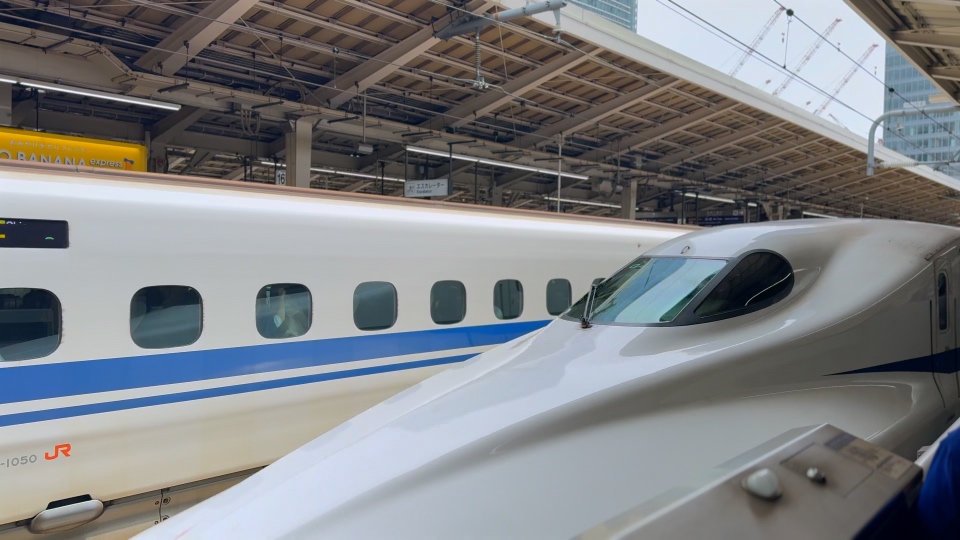
Living in a rural area ourselves, we always try to experience nature and life outside the city when traveling. We initially moved between Tokyo and Kyoto using the Shinkansen bullet trains which take just 2-3 hours. These trains are fast, efficient, and turn the majority of Japan into a blur outside your window. The Nakasendo was originally an inland trail for people moving between Kyoto and Tokyo that avoided water crossings near the coast. Over time, large sections of the Nakasendo were replaced by roads and highways, but there are stretches that still exist with original cobblestone paths through the woods. 69 post towns roughly spaced every 5-6 miles along the trail had businesses that offered food and shelter for those making the trek. Some of the post towns became large cities, but a handful have been preserved and still offer food and accommodations to travelers. We started in Magome, post town number 43 (counting up from Tokyo to Kyoto). It is heavily curated, there are a ton of Soba shops, and it offers a beautiful beginning.
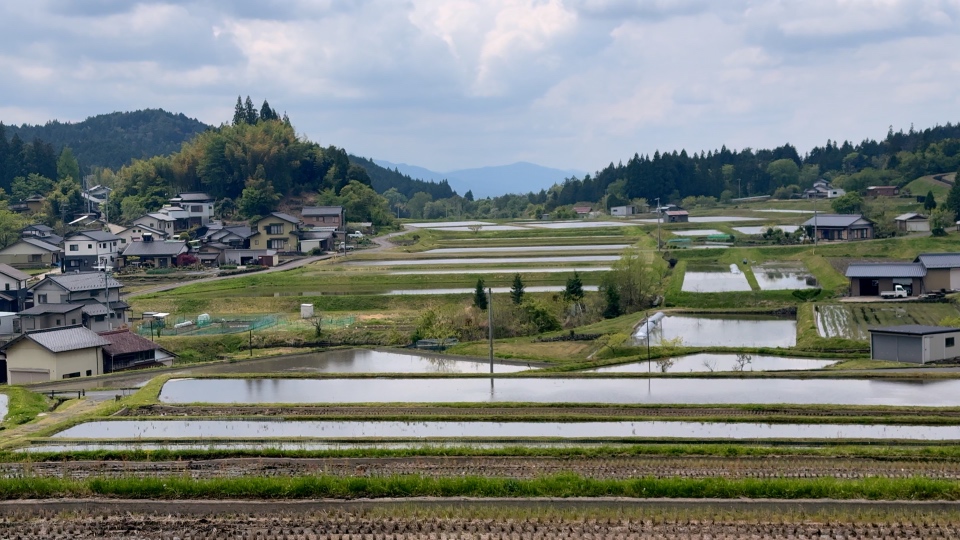
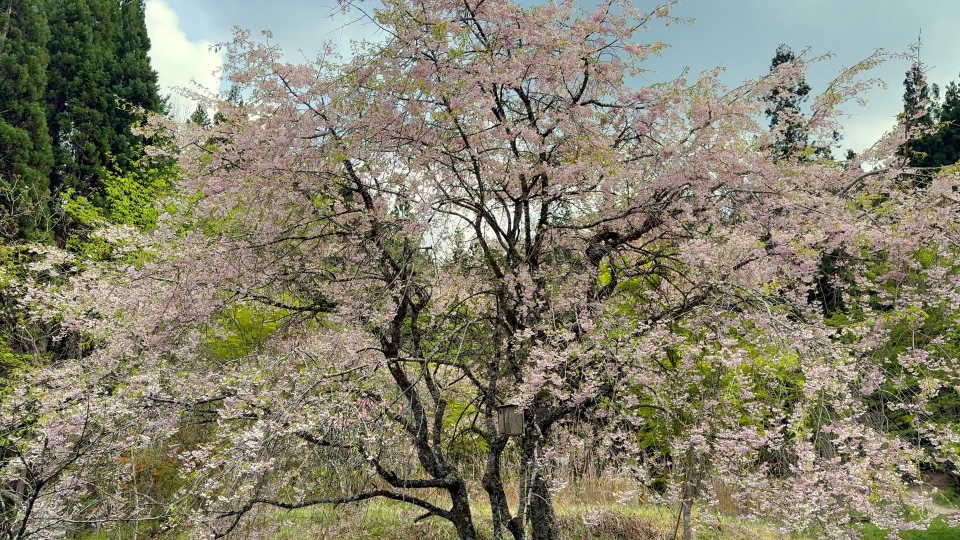
Sakura are ornamental cherry blossoms that appear over just a few short weeks from lower latitudes and elevations to higher latitudes and elevations. We arrived in mid-April and had already missed these popular displays in Tokyo and Kyoto. Higher in the mountains along the Nakasendo we found quite a few sweet cherry trees that were in full bloom. While we may have missed the popular Sakura, stumbling upon blossoming sweet cherry trees was a good second place.
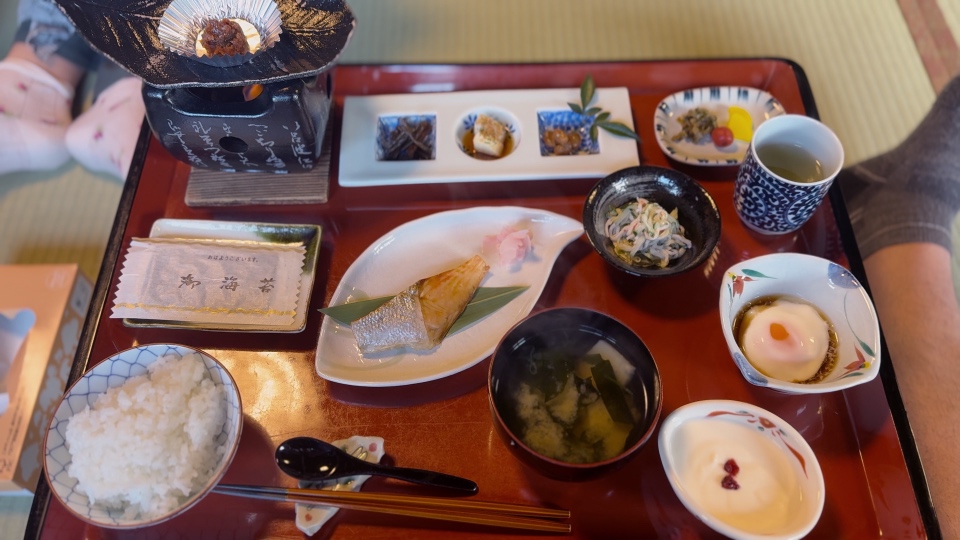
There are Western-style hotels along the Nakasendo, but why travel to Japan and commit to miles of rural trekking through historic towns and beautiful countryside only to end the day at a place that feels like New Jersey? Minshuku are equivalent to a bed and breakfast housing 8-12 guests with shared bathrooms and dining facilities. The owners typically live or stay on site and prepare both breakfast and dinner for guests. Alternatively, Ryokan are akin to spas and often feature hot springs called onsen. Onsen are normally segragated by sex, and fabric is not allowed in the water so check your modesty in the changing room. We stayed at a minshuku our first night and ryokan thereafter.
There are bear bells along the Nakasendo at regualr intervals which hikers are encouraged to ring. THe running joke is whether these are to scare the bears or alert them to dinner. While we didn't see any bears, we did come across a wild Japanese goat which we understand to be called a Serow. It charged us at one point but then veered off into the woods. It is important to remember that while the Nakasendo is in no way a backcountry adventure, you do share the space with wildlife.

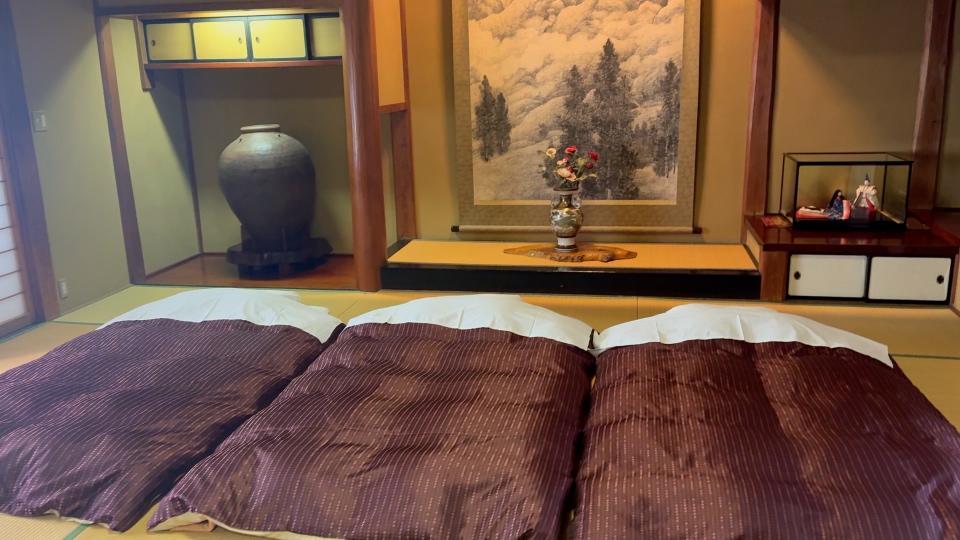
Traditional Japanese accommodations will have rooms with futon mattresses on tatami floors. This is much more comfrtable than it sounds, but if you experience pressure points just tuck a strategically placed pillow or look in the closet for an additional futon to double up. Tatami is easily damaged, so always remove your shoes and never roll your suitcase across them. If you are hyper-sensitive to a random moth or bug do not stay in historic buildings. FYI, you may also find the occassional side dish at dinner that includes roasted grasshoppers... not our favorite but give them a try!
Putting together all the pieces for an experience in rural Japan along the Nakasendo is possible to do on your own, but this is one instance where we made the decision to purchase a self-guided tour that included arrangements for accommodations and train tickets to get us between the historic sections of the trail. Oku Japan offers multiple itineraries of different length, and they are heavily committed to preserving the Nakasendo going so far as to set up a field office in Tsumago along the trail. They fund community efforts, and were a pleasure to deal with.
Oku Japan 5-Day Self Guided Nakasendo Experience (External Link)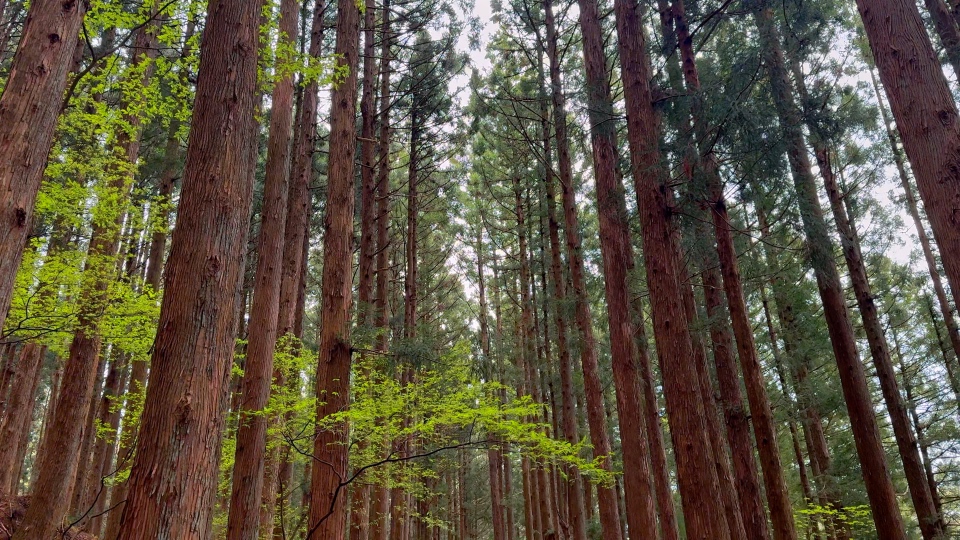
Tokyo is massive, and is more like a collection of large cities with continuous smaller cities between them. Infrastructure and public transportation are amazing. Almost every place we visited was clean and spotless. Aside from public services that help to keep things tidy, cleanliness and personal responsibility are deeply ingrained in Japanese culture. Once a place is shiny, it seems that fewer people (namely Westerners) want to be the first to smudge it. As trash builds up, folks from the West don't see the big deal if their cup blows out of an overstuffed bin. Speaking of trash bins, Japan has very few in public places. If you purchase food you are generally expected to consume it at the vendor and dispose of containers there. Vending machines often have bottle returns built in, and trash should be kept on your person until you return to your accommodation. The only places we saw substantial litter were the Shibuya and Shinjuku wards during peak hours.
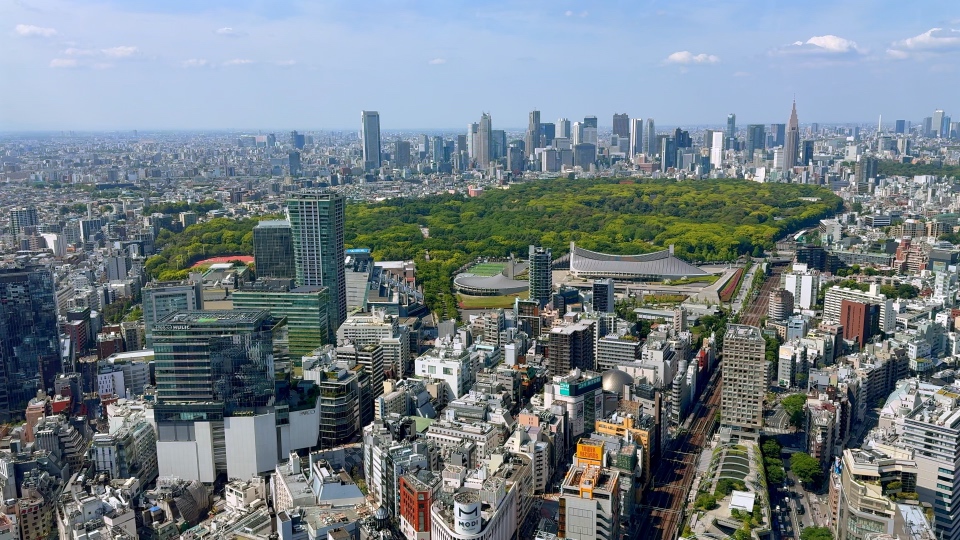
The 23 Tokyo wards have different levels of energy, tourist density and local attractions. If at all possible, stay in a ward that is close to the circular JR Yamanote or Green Line. This train will quickly move you through 10 of the 23 wards. It takes about 60 minutes to ride the Green Line all the way around, so no more than 30 minutes to reach any station from any other station. Tokyo station is not the busiest station (Shinjuku holds that distinction), but it has the Green Line and is also the central hub for Shinkansen bullet trains. Proximity to public transportation doesn't get any closer than the Tokyo Station Hotel, and it doesn't dissapoint with it's architecture and 3 Michelin Keys. Our time there was amazing, and the guests-only breakfast is worth every yen. You can pop down into the station for late night ramen, easily walk to the Imperial Palace gardens, and quickly move about with nearly every train line below your feet. Direct shuttles from both major airports also pass through for convenient arrivals and departures.
The Tokyo Station Hotel (External Link)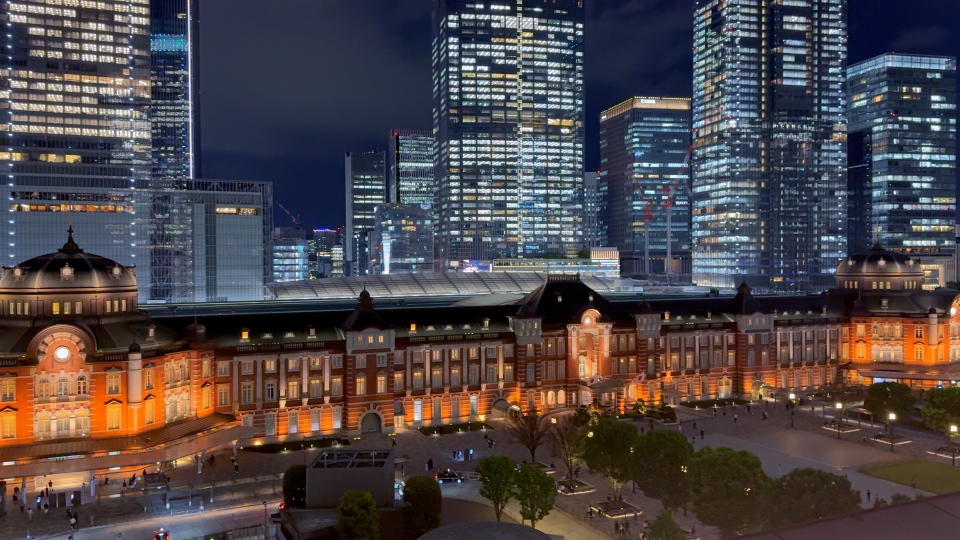
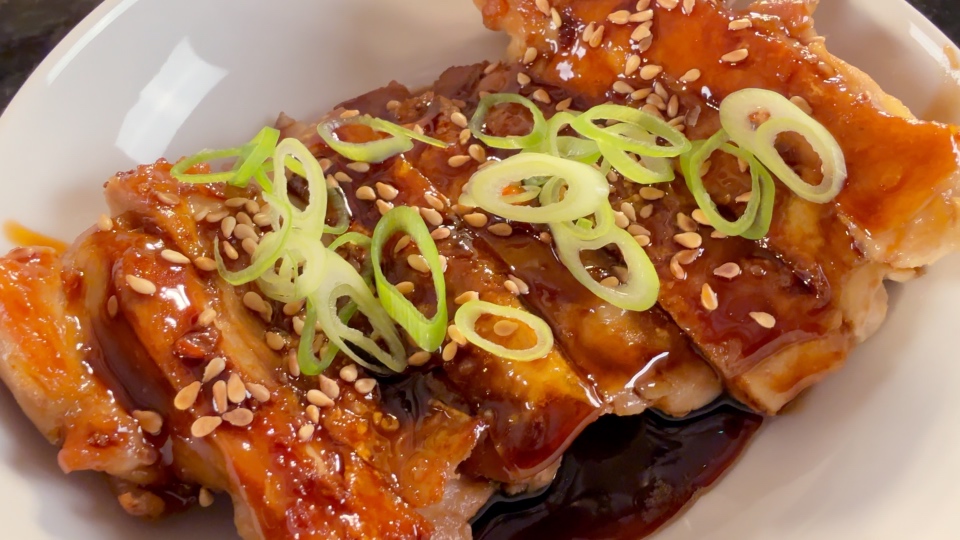
Uobei Dogenzaka is a must-visit in Shibuya. For sushi lovers, the hamachi toro or young yellowtail fatty belly is tough to beat at $1.40/piece. You will be hard pressed to find it in the US for less than $5-$6 a piece, and likely $7+ for the quality and size you get at Uobei. Kids love the tablet ordering system and express delivery via conveyor belt. If raw fish is not on your personal menu, the karaage fried chicken is also tasty. Ellie liked the soups, and Sarah liked the dessert options. Seats at the Shibuya location are all bar-style, so you sit side by side in a row. This trendy spot is worth visiting for a reason. Touch the screen and tuck in!

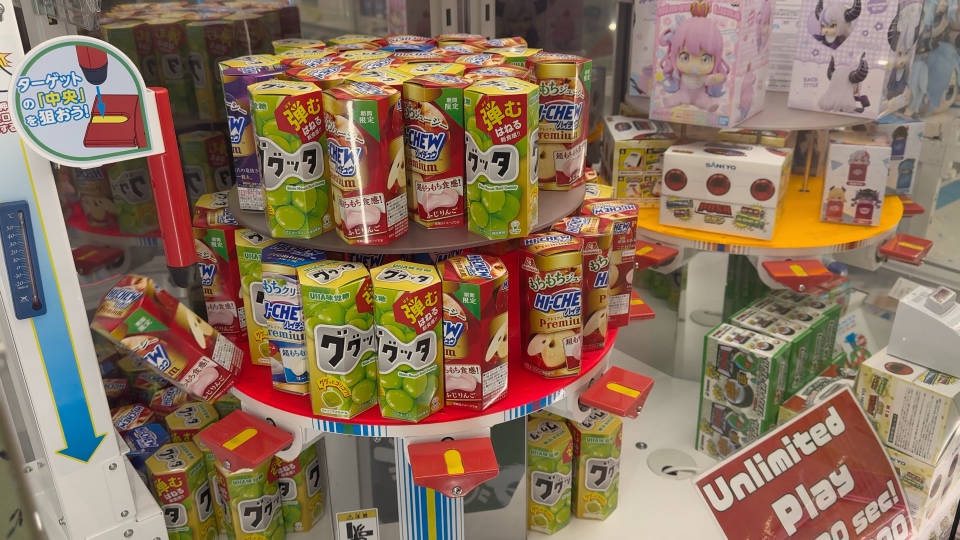
Collectively our favorite district was Akihabara in Chiyoda ward. It is two stops counter-clockwise on the Yamanote line, about 5 minutes from Tokyo station. Akihabara is known as Electric Town featuring store after store of electronics, video games and everything Otaku - Japanese for geek. Claw machines in Akihabara are no joke, and you will quickly burn through the yen as you try every method possible to shimmy that $1 toy down the chute.
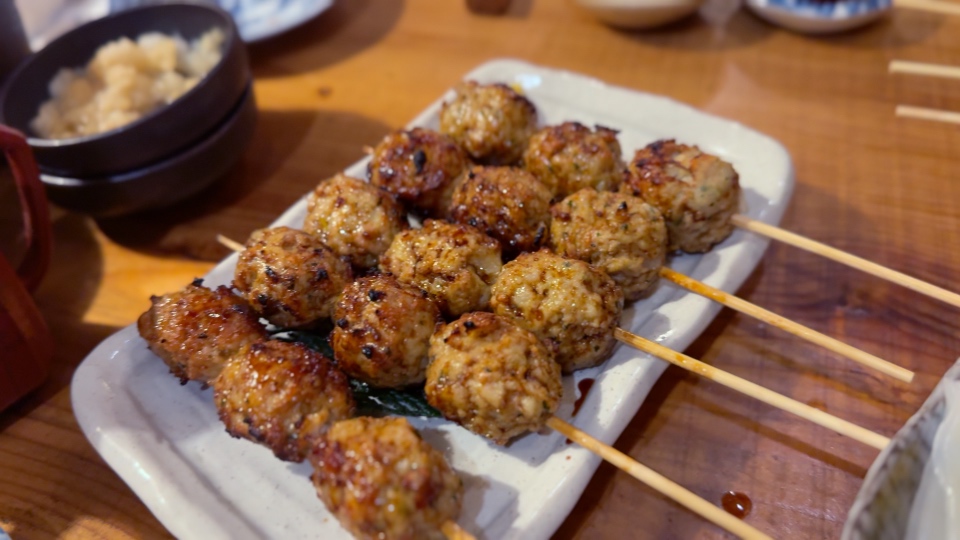
Izakayas are the Japanese equivalent to a tavern. Small plates and cold beer. The best spots use charcoal.
TeamLab is a Tokyo based art collective with body-immersive exhibits designed by artists, programmers and engineers. There are multiple locations, but we visited TeamLab Planets near Toyosu Fish Market. Our experience was mixed, with general enjoyment peaking early with the water exhibit and declining as vistors began to pile up in certain areas. Try to visit early before the overwhelming wave of bodies rolls in.
TeamLab Planets (External Link)
Aside from the amazing tuna, the other famous protein from Japan is Wagyu or Japanese beef. Oniku Karyu in the Ginza district serves the most premium A4 and A5 grades across a kaiseki style meal where every course is built around beef. The Tokyo restaurant has a Michelin star and offers an elevated way to try multiple wagyu preparations in one meal. There are a limited number of counter seats that allow you to see and interact with the talented chefs preparing your meal. Charcoal is used for the grilled course.
Oniku Karyu (External Link)
Tokyo has something for everyone. Corporate theme parks like Disney, luxury hotels and restaurants, street food, capsule hotels and everything in between. Like everywhere in Japan, you should plan ahead for high-demand activities and accommodations.

Our two week experience in Japan was years in the making and focused exclusively on Tokyo, Kyoto and the space between. We divided our time between the city and country, and minimized transit activity by staying at hotels that were a part of the train stations. For us it was an unforgettable adventure, and we encourage others to find their own experience in the land of the rising sun!

What makes something memorable and worth revisiting? What should be avoided, accepted or pursued? Is there a better or best version? What is good?
Grab some popcorn and join the circus as we answer these questions through shared experience. We look forward to having you with us along the way!
Copyright © 2024 - 2026 Purpose Circus